 For the vegetarian, the ketogenic
diet can seem like impossibility. The average dieter
who consumes meat has a wide variety of options when
it comes to meals. They simply eat all the meat they
want and don't have to worry too much that they're
exceeding their carb limits. Beef, pork, chicken,
and fish can be consumed at every meal, thus providing
the dieter with plenty of protein and fat and virtually
no carbohydrates. While the meat-eating dieter often
has to look for ways to include the minimal carbohydrates
in their diet, the vegetarian must look for ways to
avoid excess carbs.
For the vegetarian, the ketogenic
diet can seem like impossibility. The average dieter
who consumes meat has a wide variety of options when
it comes to meals. They simply eat all the meat they
want and don't have to worry too much that they're
exceeding their carb limits. Beef, pork, chicken,
and fish can be consumed at every meal, thus providing
the dieter with plenty of protein and fat and virtually
no carbohydrates. While the meat-eating dieter often
has to look for ways to include the minimal carbohydrates
in their diet, the vegetarian must look for ways to
avoid excess carbs.Meat Substitutes - there are wide variety of excellent products distributed by several companies (Morningstar Farms, Yves, etc.) When selecting these products you must pay close attention to the nutrition labels. While the vegetarian hot dogs may contain as few as 3g of carbs, the burgers and chicken-flavored patties may contain as much 15g. These are excellent additions to the vegetarian's ketogenic diet but they key is to check the labels carefully.
Peanut Butter -
while this is a great vegetarian food providing protein
and fat, it should be used in moderation. One serving
contains around 7g of carbohydrates so you will want
to limit yourself to no more than a single serving
per day, unless you plan on getting all of your carbs
from peanut butter.
Nuts - like peanut butter, this is
another food that should be limited due to the carbohydrates
they contain. Nonetheless, a small amount can provide
you with fat and protein and a small amount of carbs.
Almonds, peanuts, and sunflower seeds are a few good
choices that can make your diet more bearable.
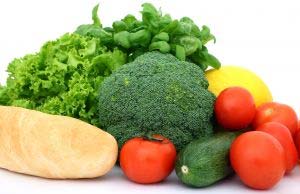
Salads - while a salad alone will provide little fuel for your body, it does serve a valuable purpose in providing bulk to the diet and easing hunger pangs. Its most important function, however, is that it can provide a solid food base for adding liquid fat to your diet. You can add olive oil and a low-carb dressing which will provide you with ample amounts of fat.
Although we have now determined that there are some good foods for the vegetarian following a ketogenic diet, there is still a deficit left that must be addressed. More protein and fat will be required to satisfy our needs on this diet. This is where nutritional supplementation comes in. The following food supplements will allow you to fill in what solid food makes difficult for vegetarians:
 Protein
powder – this may be one of your
most important allies in succeeding on the ketogenic
diet. Whey isolate, whey concentrate, casein, egg
albumen, and soy can provide you with all of the protein
that your diet does not. You can chose one or more
of these powders to implement in your diet. My favorite
source of protein is whey isolate, which you can find
in several commercial products. Syntrax makes an excellent
whey isolate powder called Nectar. With a variety
of great tasting fruit flavors and zero carbs, this
is a perfect addition to any ketogenic dieter’s
arsenal.
Protein
powder – this may be one of your
most important allies in succeeding on the ketogenic
diet. Whey isolate, whey concentrate, casein, egg
albumen, and soy can provide you with all of the protein
that your diet does not. You can chose one or more
of these powders to implement in your diet. My favorite
source of protein is whey isolate, which you can find
in several commercial products. Syntrax makes an excellent
whey isolate powder called Nectar. With a variety
of great tasting fruit flavors and zero carbs, this
is a perfect addition to any ketogenic dieter’s
arsenal.
Flaxseed Oil - loaded with omega-3 fatty acids, one tablespoon provides about 14g of fat. Omega-3’s can enhance metabolism, enhance oxygen utilization, as well as improve overall health through several mechanisms of action.
Olive oil - as mentioned earlier you can add this oil to your salad and give yourself an extra 15g of fat. Another healthy fat, olive oil can lower bad LDL cholesterol levels while simultaneously raising good HDL cholesterol levels.
MCT (medium chain triglycerides) - this oil occurs naturally in coconut oil and some studies indicate that it can increase energy expenditure and help you burn fat. I use Keto Butta which is a great butter substitute providing almost 5g per teaspoon. It smells and tastes almost just like real butter but contains a much healthier fat.
In addition to the supplements listed above there are a few optional, but beneficial, supplements that are worth considering. Alpha Lipoic Acid can assist you on a ketogenic diet by increasing insulin sensitivity, which is vital to the fat burning process. Another supplement that may help you lose fat is a fat burner containing synephrine (citrus aurantium) and caffeine. There are a wide variety of products available that contain these two thermogenic agents as well as a proprietary blend of these and other fat burning ingredients.
Another tool that can make your efforts easier is ketone testing strips, such as TestMedica’s Ketone Diet Stix. These test strips will allow you to monitor your progress and ensure that you are metabolizing fat optimally. They can also help you determine if you need to add or reduce your carbohydrate consumption
Don't rule out a ketogenic diet just because you don’t consume meat. With the proper planning you can formulate a diet that fits your needs as a vegetarian. Once you begin the process of preparing for your diet you will discover that there is much wider variety of foods and supplements available than you ever imagined. Vegetarian ketogenic diets are not only possible; they can also be just as effective as those followed by meat-eaters. Choose your foods and supplements wisely, create a plan, and get started!
>> Click here for a real solution that will help you Burn Off the Fat